

Why Blueberries Are Called Superfoods
Packed with nutrients and powerful antioxidants that transform your health
Heart Health
Rich in anthocyanins that support cardiovascular function, reduce blood pressure, and improve arterial health.
Brain Power
Flavonoids cross the blood-brain barrier, protecting neurons and enhancing cognitive function and memory.
Anti-Aging
High antioxidant content fights free radicals, reducing oxidative stress and supporting cellular health.
Blood Sugar
Low glycemic index and bioactive compounds improve insulin sensitivity and glucose metabolism.
I believe blueberries are one of the most refreshing summer treats because they add a burst of natural flavor to drinks or meals. While most fruits and vegetables are packed with nutrients, blueberries are a powerhouse fruit known for potent disease-fighting properties that may be powerful enough to protect against cardiovascular disease and improve brain health, insulin response and gut health.
This accessible natural superfood is available year-round and can easily be incorporated to your diet. Blueberries can be eaten freshly picked or frozen, whether you're grabbing a handful for snacks or sprinkling them into your favorite main dishes.
Blueberry polyphenolic compounds include both flavonoid and non flavonoid types. Other classes of flavonoids found in blueberries include proanthocyanidins and flavonols. Abundant nonflavonoid polyphenolic compounds in blueberries are the hydroxycinnamic acid esters (especially chlorogenic acid).
The Science Behind Blueberry Health Benefits
Cardiovascular Health Support
I find it remarkable how blueberries support heart health through multiple mechanisms. Research suggests that the anthocyanins in blueberries help reduce the risk of cardiovascular disease by improving blood pressure levels and reducing arterial stiffness. Regular consumption has been associated with improved cholesterol profiles, with studies indicating reductions in LDL cholesterol oxidation—a key factor in atherosclerosis development.
Cognitive Function and Brain Health
What truly excites me about blueberries is their potential impact on brain health and cognitive function. Studies have shown that the flavonoids in blueberries can cross the blood-brain barrier, where they may help protect neurons from oxidative stress and inflammation. Research suggests that regular blueberry consumption may improve memory, executive function, and processing speed.
Metabolic Health and Blood Sugar Control
In my opinion, one of the most underappreciated benefits of blueberries is their positive impact on metabolic health. Despite containing natural sugars, blueberries have a relatively low glycemic index and may actually help improve insulin sensitivity. The bioactive compounds in blueberries appear to enhance glucose metabolism and may help reduce the risk of type 2 diabetes.
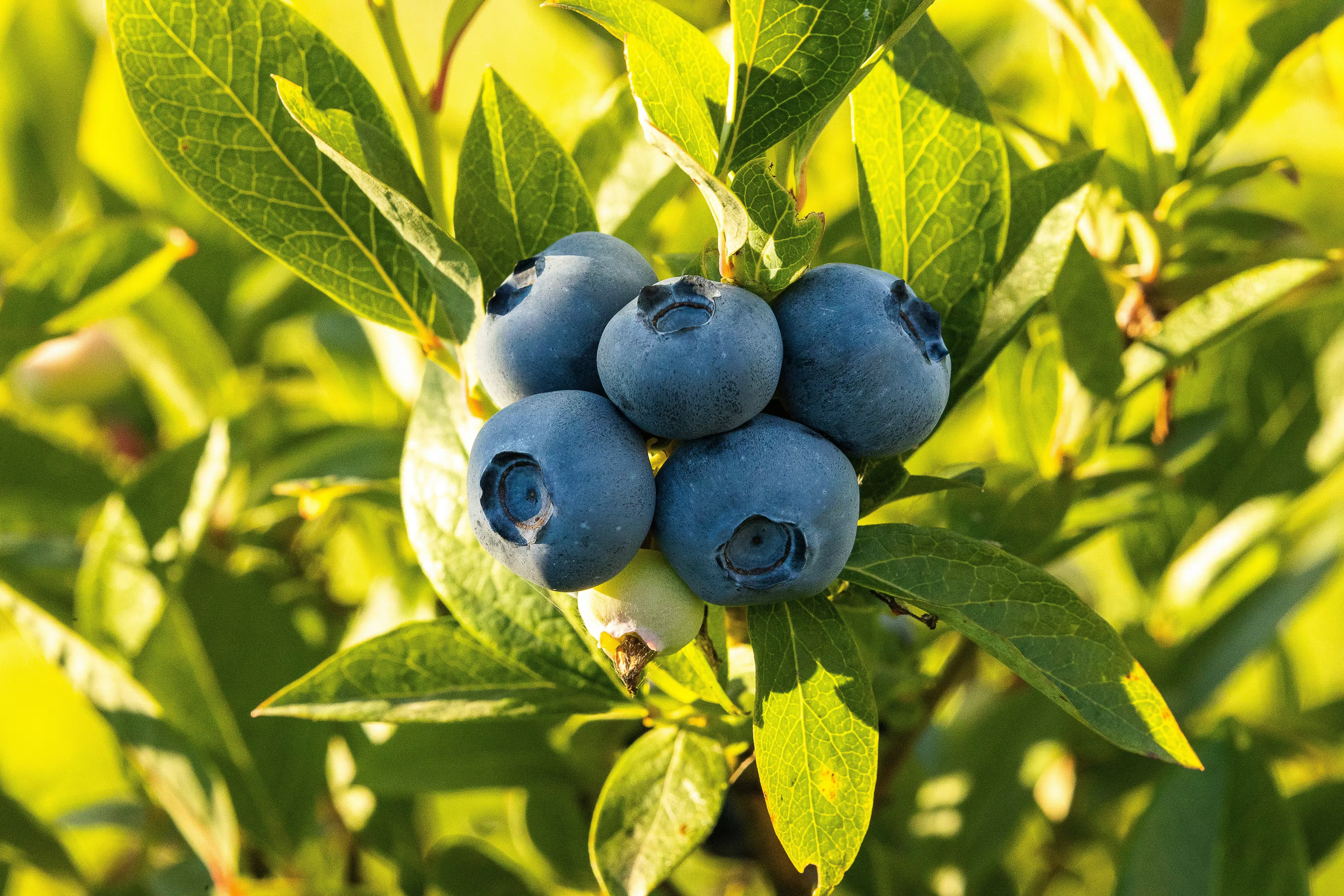
Nutritional Composition
I suggest adding blueberries to your diet because they're low in calories and fat but rich in healthy fiber. Note that blueberries primarily consist of 9.6% carbs, 84% water, and small amounts of protein and fat.
Fresh vs. Frozen vs. Dried
Note, however, that it may matter how you eat your blueberries. While both are healthy, wild blueberries may contain more antioxidants than domesticated ones.
Freezing blueberries shouldn’t affect their nutrient content, and it may even help them last longer. Blueberries versus other berries. While dried blueberries may lose some of their antioxidant content, this amount is negligible. They may, however, lose some flavor compared with fresh blueberries.
In addition, prepackaged dried blueberries may contain added sugar. If this concerns you, you can read the nutrition label to identify those that don’t before buying.
Recipe Success Tips
Fresh or Frozen?
Both fresh and frozen blueberries work great! If using frozen, don't thaw them first to prevent color bleeding into your dough or batter.
Keep Ingredients Cold
For the flakiest croissants, work quickly with cold crescent dough. For waffles, room temperature ingredients blend more easily.
Sauce Consistency
The blueberry sauce will thicken as it cools. If it becomes too thick, simply add a tablespoon of orange juice and warm gently.
Make Ahead
Prepare the blueberry sauce up to 3 days in advance and store in the refrigerator. Reheat gently before serving.

Breaking Research: Blueberries' Dual Benefits for Brain and Heart Health
A groundbreaking 2024 review published in Frontiers in Nutrition has reinforced what many health enthusiasts have long suspected about blueberries. This comprehensive scientific perspective, authored by leading researchers from institutions including Harvard Medical School and the University of Cincinnati, examined decades of research on blueberry consumption and its effects on human health.
What makes this review particularly exciting is how it consolidates evidence showing that blueberries support multiple aspects of health simultaneously. The research team found compelling evidence that regular blueberry consumption is associated with cardiovascular disease protection, improved glucose metabolism for those with pre-diabetes and type 2 diabetes, and enhanced brain function in individuals experiencing age-related cognitive decline. The study emphasizes that "Mounting evidence indicates that blueberry consumption is associated with a variety of health benefits" across diverse populations.
The researchers highlight anthocyanins, the pigments that give blueberries their distinctive color, as the primary bioactive compounds responsible for these health benefits. These powerful antioxidants work through multiple mechanisms, including reducing oxidative stress, decreasing inflammation, and improving vascular function. What's particularly promising is that the benefits appear achievable with moderate daily consumption—often just a half cup to one cup of fresh blueberries.
Perhaps most impressive is the research on cognitive function. Studies included in this review demonstrate that blueberries may help protect against age-related memory decline and improve executive function. For those concerned about cardiovascular health, the evidence shows that regular blueberry consumption can improve blood pressure levels, reduce arterial stiffness, and support healthy cholesterol profiles. The metabolic benefits are equally noteworthy, with research suggesting that despite containing natural sugars, blueberries actually help improve insulin sensitivity and glucose metabolism.
This 2024 perspective represents more than just another study touting blueberries' benefits—it's a comprehensive synthesis of scientific evidence from human clinical trials, observational studies, and mechanistic research. For anyone looking to make evidence-based dietary choices, incorporating blueberries into daily meals stands out as one of the most scientifically supported nutritional decisions you can make. Whether you're focused on protecting your heart, preserving cognitive function, or supporting metabolic health, this research provides compelling reasons to reach for these blue gems regularly.
Read the full research article: The state of the science on the health benefits of blueberries - Frontiers in Nutrition (June 2024)
What's New & Exciting!


My Favorite Picnic Spot
When I want to enjoy fresh blueberries outdoors, I head to Hawrelak Park in Edmonton's scenic river valley. This 68-hectare park offers beautiful lakeside views, sprawling green spaces, and peaceful trails perfect for a relaxing afternoon. To get there from downtown Edmonton, head west on 102 Avenue, turn south on Groat Road, and follow the signs into the park—it's about a 10-minute drive. The park's natural beauty and tranquil atmosphere make it the ideal setting to unpack a basket of blueberry treats and enjoy nature's bounty. (Source: Google Maps)